

You only have to look at the upcoming Dota 2 The International and its record prize pool to see that there is decent money to be made by playing video games professionally. But how does one become a pro gamer and make a living from it?
According to The Economist, a publication that specialises in financial affairs, you start at the bottom, play your heart out, and hope you are good enough to be one of the best. If you don’t make it as a Dota pro or League of Legends champion, don’t fret, there is still hope that you can take home a salary courtesy of gaming.
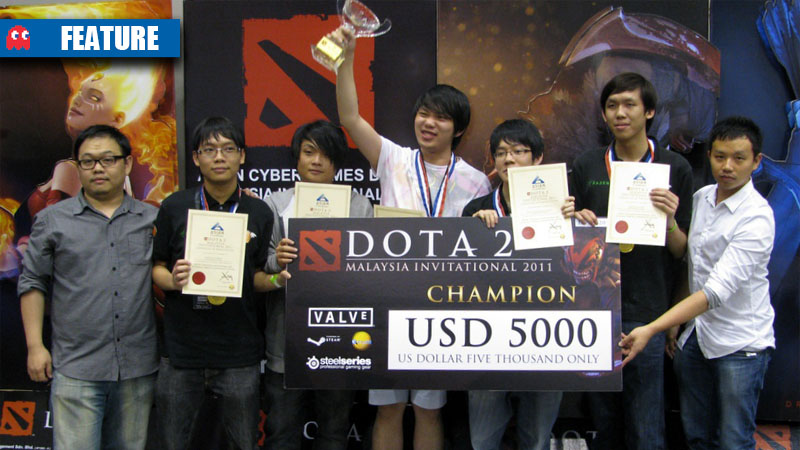
Dennis Fong, a.k.a Thresh, made over R1,000,000 from playing Quake, a game he took up in 1997. He also won a Ferrari 328 GTS, which was given to him by John Carmack – the programmer behind the FPS. He was one of the first gamers to hit the big time, and today names like Dendi – pictured below with his Dota 2 team Na’Vi – are known by most gamers thanks to the popularity of competitive gaming.
So, how do you get there?
You start with online or small, local tournaments, receive an invitation to play in a top-flight tournament – preferably hosted by Major League Gaming in America or the Electronic Sports League in Europe – pick up a few sponsors, and then win a grand prize that sets you up to continue your gaming career in comfort.
This means you have to start young, and chose a game that you think you will excel at. The Economist mentions StarCraft players in South Korea, who live in team houses with their coaches and team mates and train for more than ten hours each day. It is the same for Dota 2 players, whose lives become the game. A recently released documentary by Valve, titled Free to Play, provides an in-depth look into what it’s like to be a pro-gamer.

Na’Vi – Dota 2 The International Winners
For those players who are not good enough to make it in the big leagues there is still a chance for them to make a career out of gaming
Tournaments require commentators with first-hand knowledge of the game it hosts. For those who aren’t that articulate, teaching other players is an option, with some gamers charging by the hour to coach up-and-coming stars.
Video streaming websites such as Twitch provide a money-making option for not-quite-pro gamers, and many of these “social media personalities” make a living providing their opinion on tournaments or big gaming events. Major League Gaming’s commentators, for example, are watched in more than 170 countries.
Has this inspired you to pursue a career as a professional gamer? Let us know in the comments and forum.
Source: The Economist
More gaming news
Best video game trailers of the week





 Loading ...