



A recent study published by Monash shows how the average person feels when illegally downloading copyrighted material.
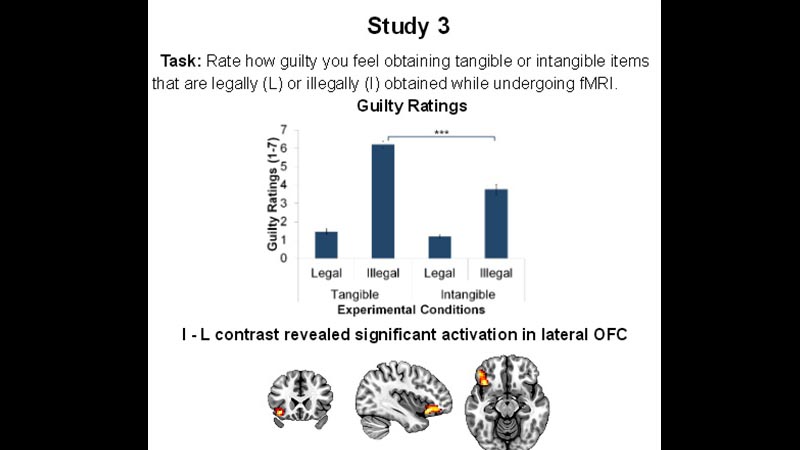
The study investigates what happens in the brains of people when they pirate a TV show versus stealing a handbag, for example.
It found that people are much more likely to take something (regardless of price, risk of getting caught or difficulty) when there is no other physical presence.
The image below shows that people’s brains were more active when trying to imagine intangible objects compared to tangible objects.
This suggests people have more difficulty with representing intangible items, said the research.

The second experiment required volunteers to imagine illegally or legally obtaining films, music, books, and software.
Researchers said this study revealed that participants showed more activation in the area of the brain associated with guilt when imagining stealing an item.
In conclusion the study found that people had less issue downloading pirated material because they had more difficulty imagining the download as a tangible object.
More gaming news
How to squeeze more power out of your gaming PC





 Loading ...

I reckon it’s about the same level of brain activity as changing TV channels. Most pirates are concerned with the download speed or their VPN, not any moral implications.