



With the recent release of the PlayStation Pro and Xbox One S, many gamers may be confused about the marketing buzz over HDR and 4K display.
These technologies are relatively new and have only now started to penetrate the console gaming market.
While you may not have thought to factor HDR support into your next hardware purchase, it is an important aspect to consider for gamers seeking high visual quality.
Below is a brief summary of HDR (High Dynamic Range):
What is HDR?
HDR refers to a TV’s ability to display a wider range of colors at higher rates of contrast.
HDR enhances the resolution and colour range of your TV display, making it ideal to pair with the 4K gaming capabilities of the PlayStation 4 Pro or a high-end gaming PC.
Nvidia’s description of HDR is succinctly explained in three points: “bright things can be really bright, dark things can be really dark, and details can be seen in both.”

HDR Display
While 4K televisions are becoming increasingly popular, 4K TVs with HDR support remain relatively rare.
Most high-end 4K TVs have various colour enhancement options, but these are imposed on the normal image and merely attempt to mimic the effects of HDR.
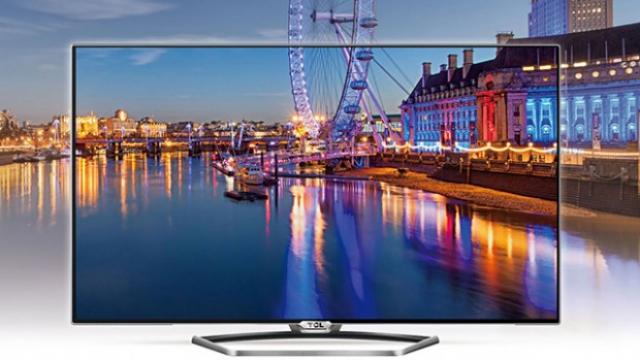
HDR TVs are designed to output higher contrast and colour ranges, which is noticeable when displaying HDR content.
Because 4K displays encompass support for wider colour gamuts than standard HDTVs, they are ideal for HDR gaming.
HDR Gaming
HDR TVs are a reality, and easily available to the high-end gamer, but the number of supported titles is very low.
However, since the launch of HDR-compatible consoles (and the original PlayStation 4’s HDR firmware update), many developers are including HDR support in their games.
This will allow gamer with HDR displays to enjoy games in a higher range of colour and contrast than ever before.

More gaming news
Why South Africa sometimes gets games later than the rest of the world






 Loading ...

This is going to be as useful as curved displays