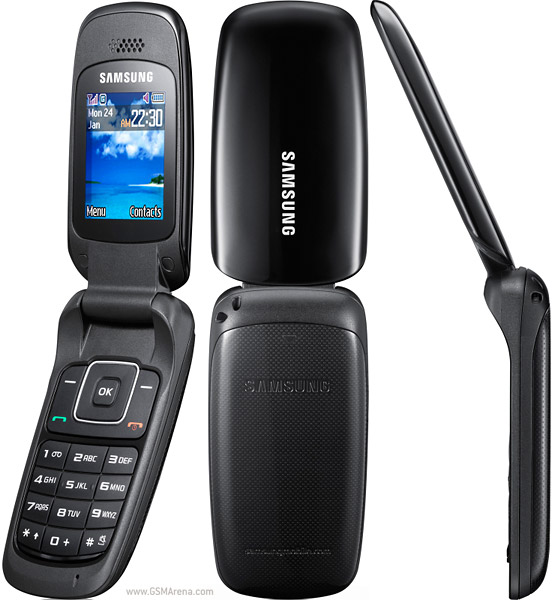
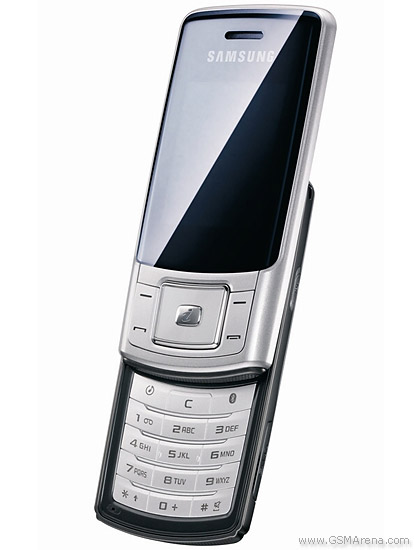
That is true but like they said you cant patent a shape...
this LG looks similar to an iphone
http://www.bablotech.com/wp-content/uploads/2009/06/gsmarena_016.jpg
this HTC also looks similar
http://www.bablotech.com/wp-content/uploads/2009/06/htc-touch-pro-2-2.jpg
they are really bad looking rip offs of the iphone but they still look similar.
Apple just doesn twant any competition.
Not too many people are mistaken about whether their invention qualifies for a plant patent (which protects new varieties of - you guessed it - plants). But it's easier to confuse whether an invention qualifies for a design patent or utility patent, and it's important to decide this issue at the beginning of your search for protection. That's because applying for a patent typically involves considerable investments of time and money.
Under U.S. patent law, a utility patent protects "any new and useful process, machine, article of manufacture, or composition of matter, or any new and useful improvement thereof."
A design patent protects a "new, original, and ornamental design for an article of manufacture." In short, utility patents protect the way something is made and used;
design patents protect the way something useful looks.
If you've come up with a new type of engine (a machine), engine part (manufactured article) or an improved way of manufacturing engine parts (a method), then you're more likely looking for a utility patent.
On the other hand, if your invention lies in the uniquely formed shape of a car's hood and fenders, then (assuming this new shape doesn't also improve the way the car works) you probably need a design patent.
Another example of an invention eligible for a utility patent is a jacket that contains an improved insulation system. A jacket whose invention lies completely in the unique curves of its lapels would better qualify for design patent protection. While the first invention improves the use of the jacket (keeping the user warm), the second invention is a design change that does not alter overall function.
There are a number of other differences between utility and design patents beyond appropriate subject matter and scope of protection. These include possible application types, required application elements, the examination process and length of patent terms. For more information on utility patents, see link.
Inventions typically qualify for only one type of patent. In rare cases, an invention will qualify for both types of protection, or for both design patent and copyright protection (and sometimes even trademark as well). Either way, you should be clear on what type of patent you are applying for because of the important differences between them.
IE. The iphone design was unique and fresh upon its launch thus apple was able to qualify for a design patent.