

The South African gaming market is small compared to those overseas, but it still boasts several successful game development studios.
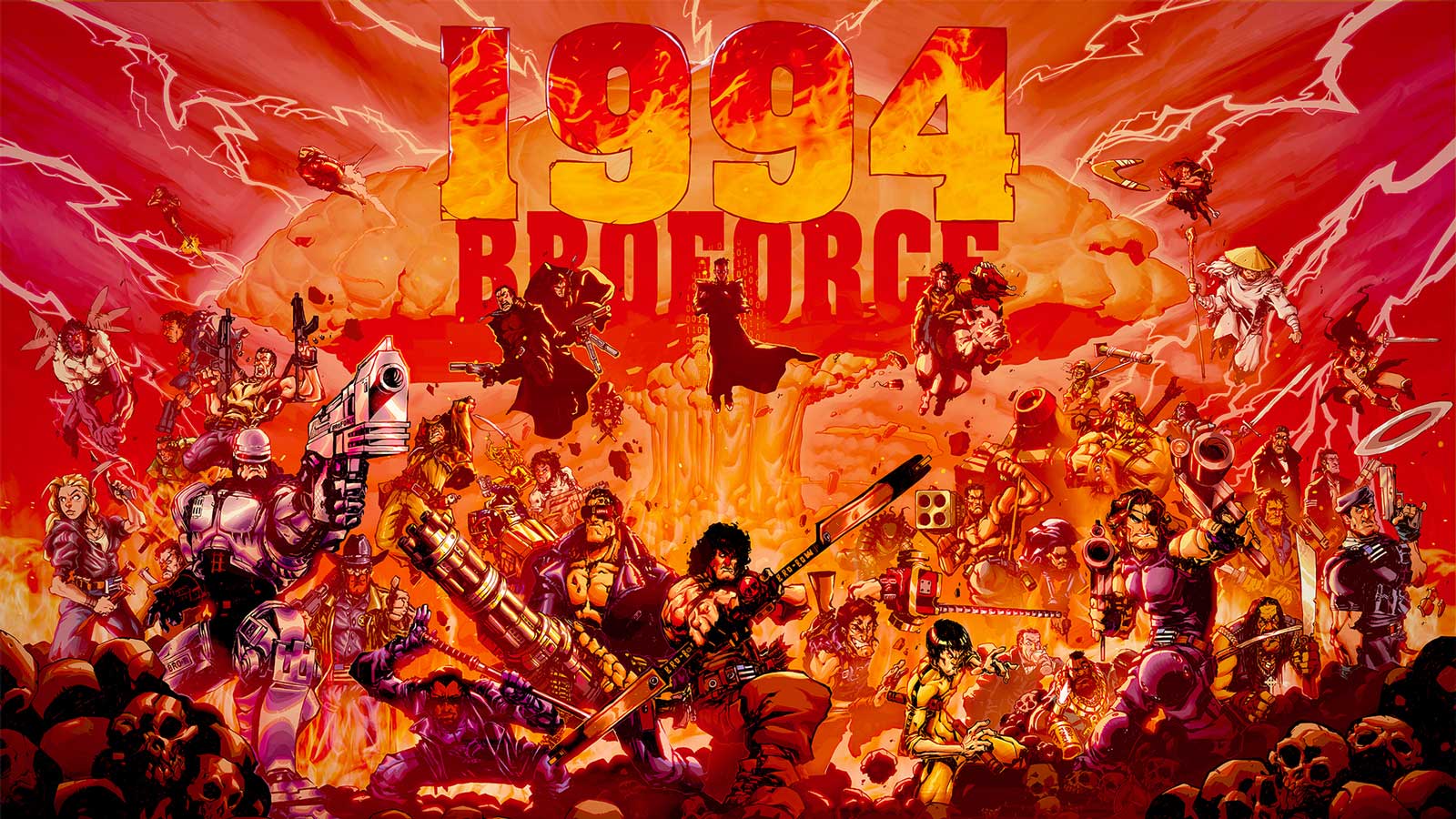
The standout among these is Free Lives, the studio that made R172 million thanks to its successful game, Broforce.
Free Lives is an independent studio founded by Evan Greenwood in April 2012 and is based in Cape Town.
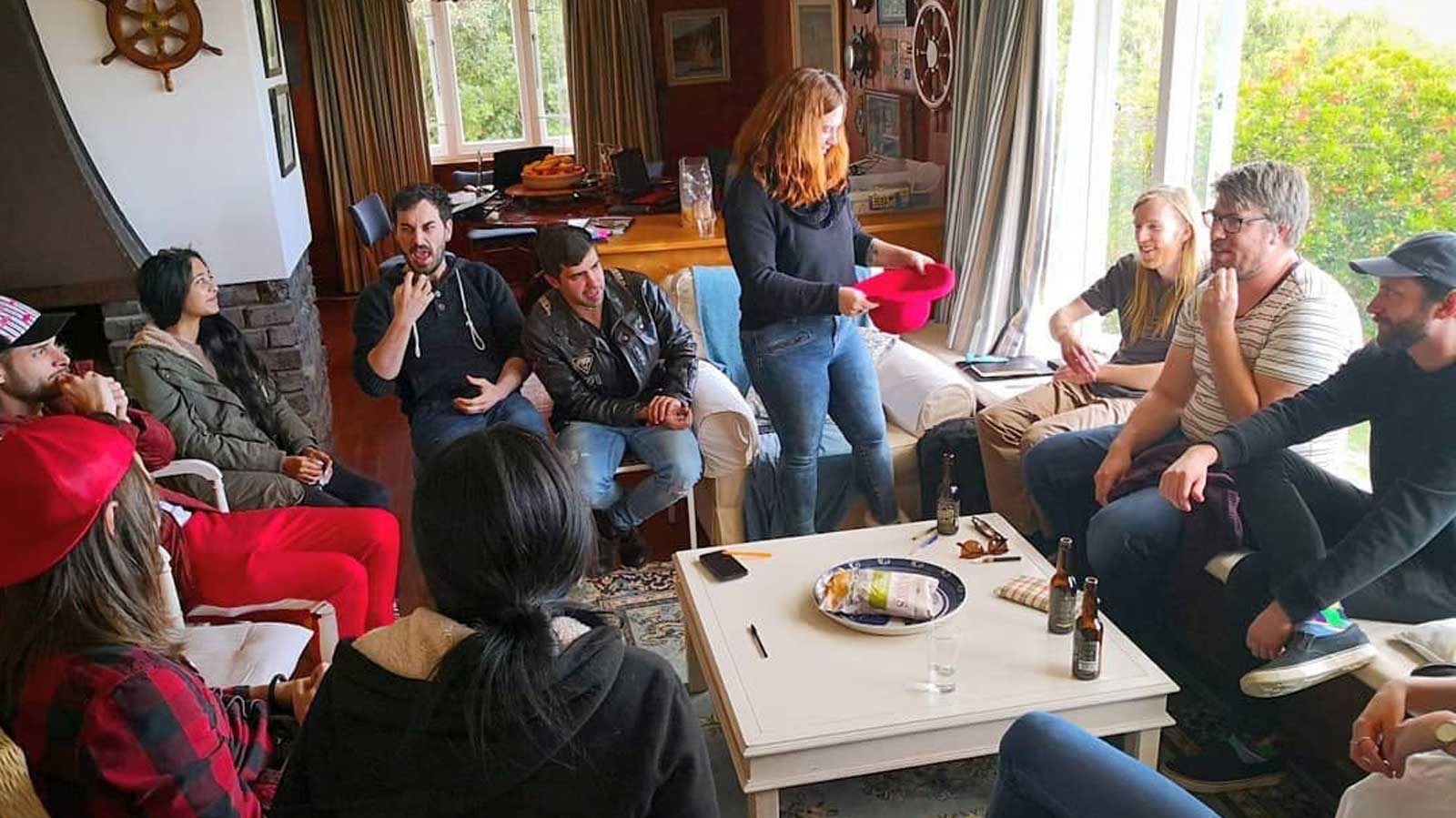
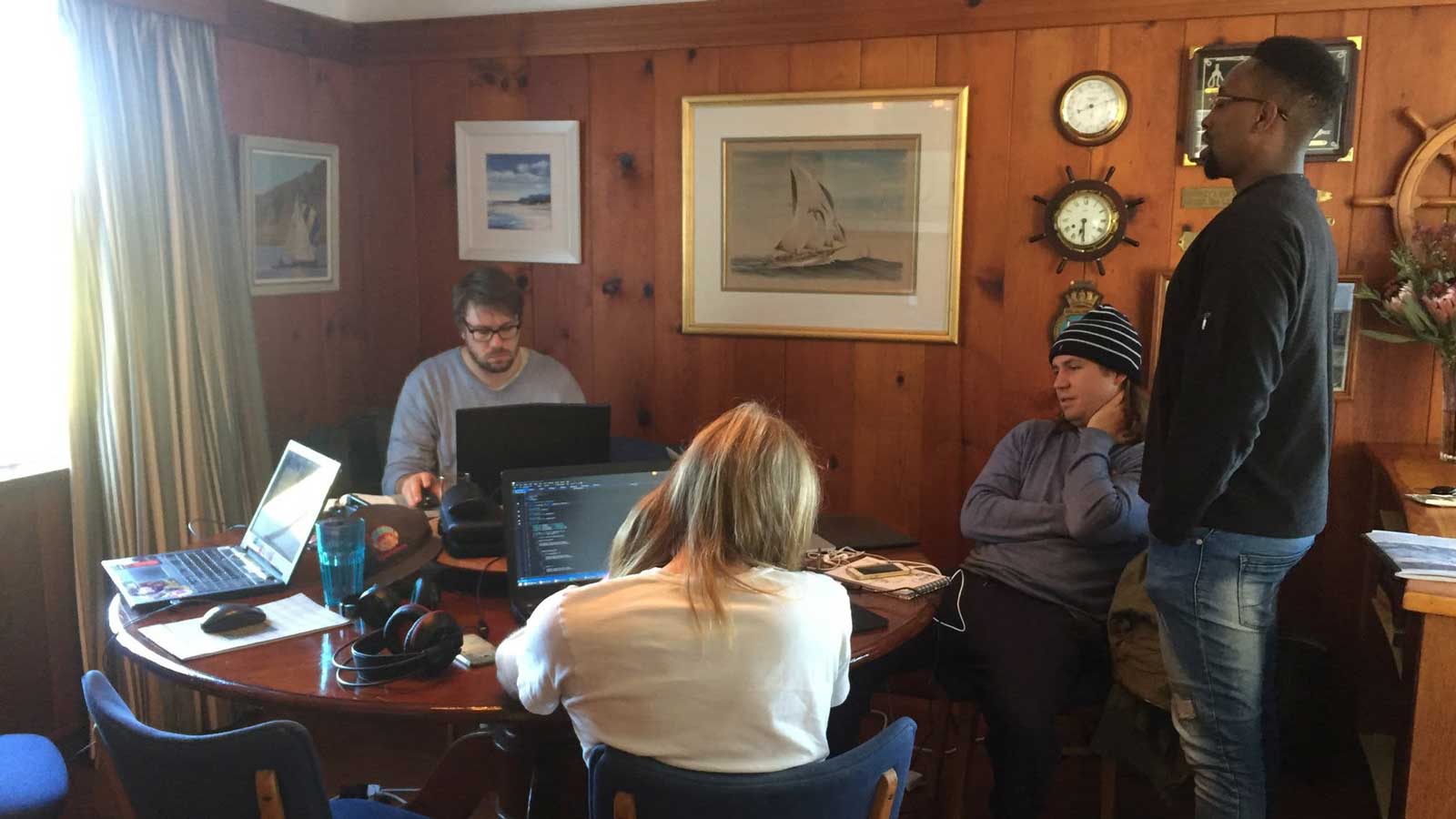
The company currently employs 16 people and operates from a house converted into an office in Cape Town’s Constantia neighbourhood.
Free Lives’ first released title was a 2D game called Rambros. The game was themed after 90s action movies, and the team would go on to enter it into the April 2012 Ludum Dare game jam.
Rambros proved popular and received positive feedback during the event, prompting Free Lives to continue working on it and later rename it Broforce.
Broforce was released on Steam in 2015 for $14.99 and was an instant success, with Greenwood telling MyGaming in May 2016 that it earned the studio around R46 million at launch.
While exact sales figures are unavailable, estimates indicate it has now sold around 2.9 million copies on Steam and earned an estimated R583 million in revenue.
R172 million of this was returned to Free Lives as net revenue, while the remainder went to discounts, refunds, taxes, and Steam’s cut.
Along with Steam, Broforce was released on other platforms, including PlayStation 4, Xbox One, and Nintendo Switch – meaning its total sales revenue is likely much higher.
Free Lives remains an active studio, and has released several additional titles following the success of its first game.
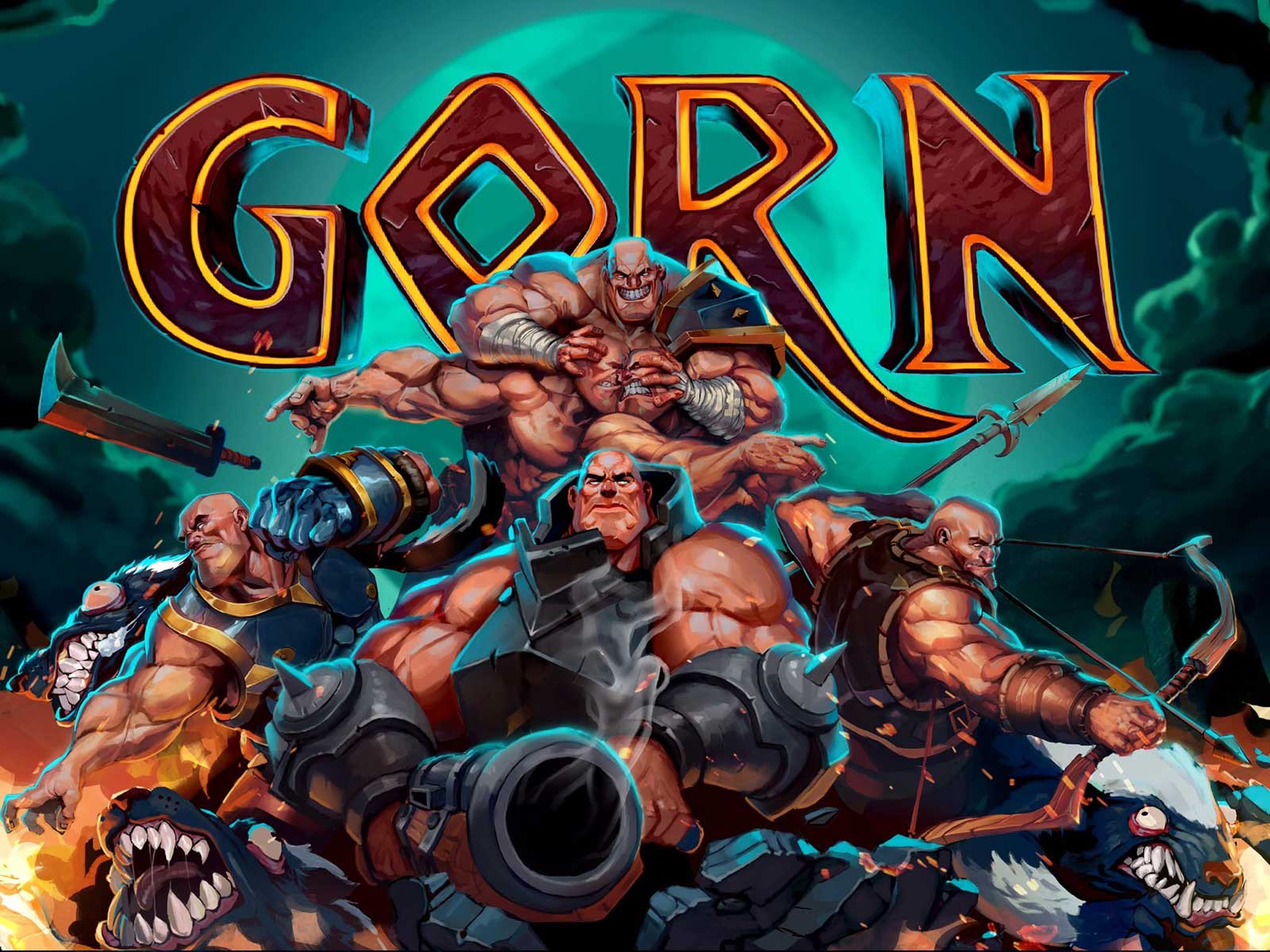
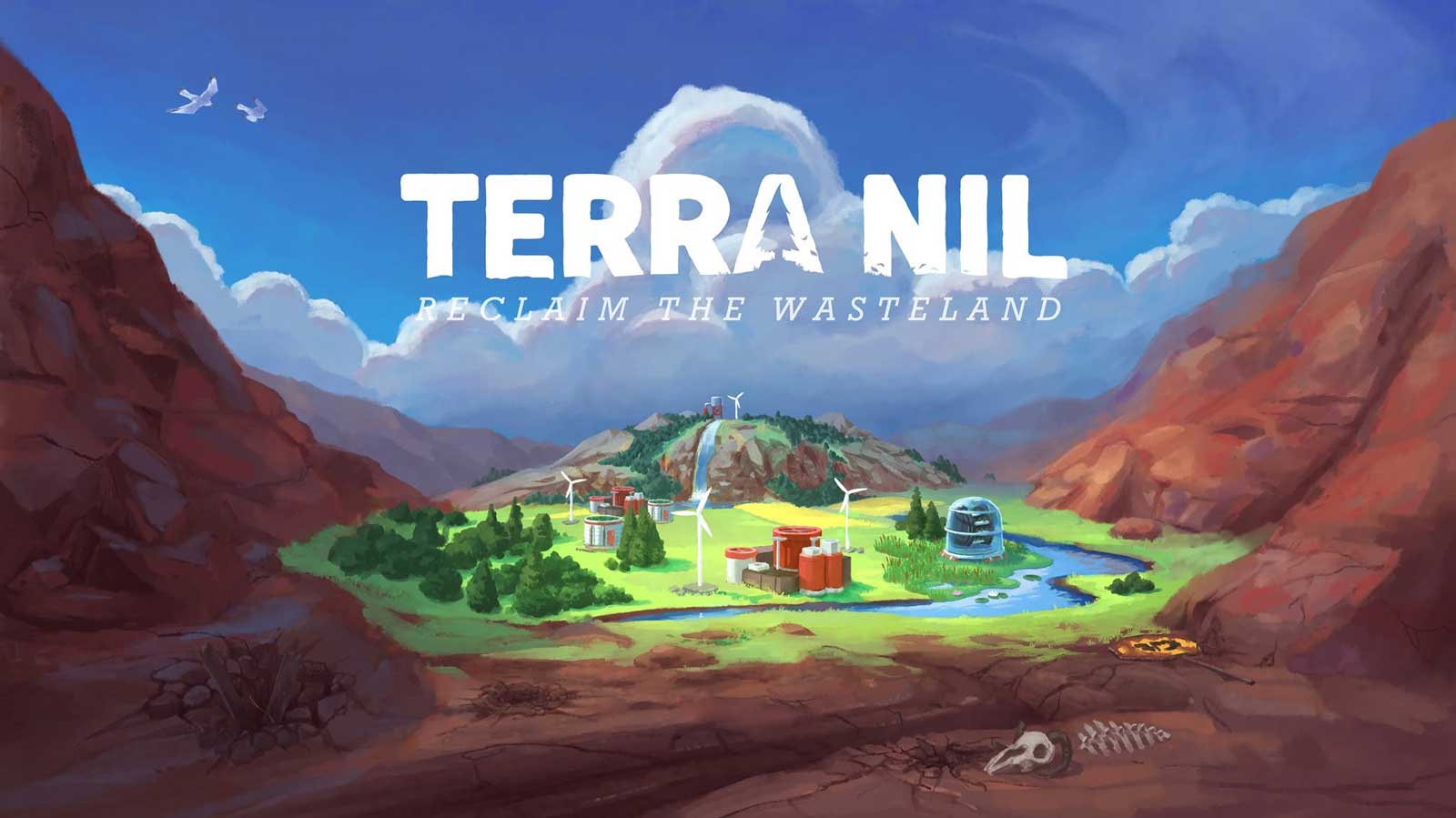
These include games such as Genital Jousting, Gorn, Terra Nil, Anger Foot, and Stick It To The Stickman.
Since 2015, all the studio’s games have been published by American publisher Devolver Digital, a specialist in indie publishing.
South Africa’s growing gaming space
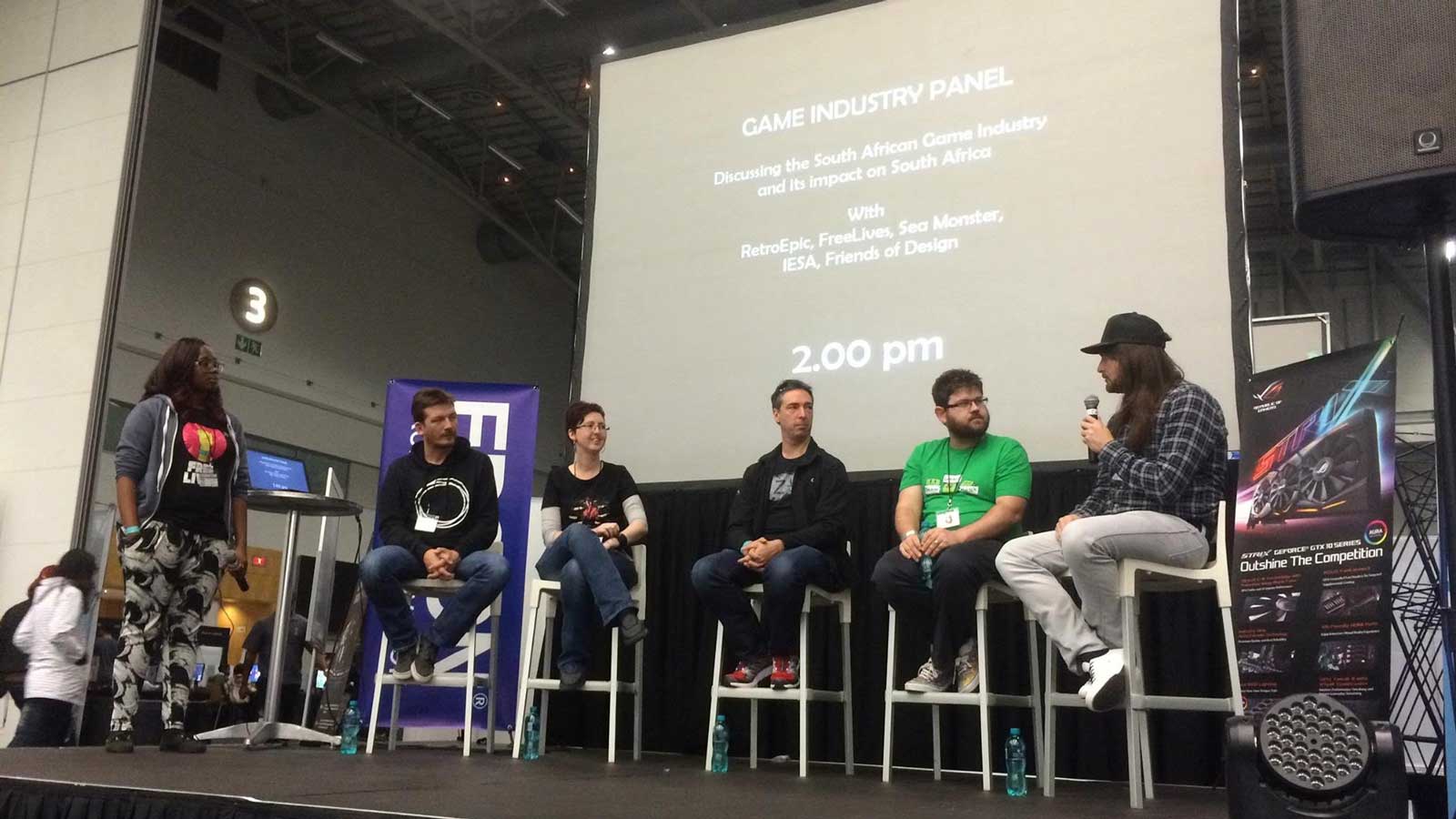
Free Lives is one of the most prominent success stories in the South African gaming market.
The studio is entirely self-funded and handles financing for all its projects in-house.
Free Lives has also made efforts to help grow the South African gaming industry, including through its Jam Dole initiative.
Jam Dole provides monetary incentives for local game creators to develop their ideas and emerged after Free Lives was approached to fund numerous game projects, but saw no measurable results.
“It was sort of throwing money into this black hole that wasn’t coming back,” Gawlowski said.
“When we funded these games, there were no strings attached, but the games still weren’t being made.”
“So we’ve created a new system. You get R10,000 for every prototype you submit, and you get two weeks to make the prototype. At the end of the two weeks, you have to have something playable.”
Along with this, Free Lives finances and operates the annual Playtopia festival in Cape Town, where local developers can showcase their work to industry professionals from around the world.
These initiatives are significant, as South Africa’s gaming market is among the fastest-growing in Africa.
A report from data analytics provider Newzoo placed South Africa’s total gaming industry revenue for 2023 at $266 million, or R4.9 billion at that time.
Newzoo also estimated that by 2026, South Africa’s total gaming spend would grow to $333 million (R5.5 billion), at a 7.8% growth rate.






 Loading ...