


A recent article by eNCA contributor Scott Smith posited how far eSports in South Africa is from being deemed “an actual sport”.
As Desmond Kurz‘s quote within the article highlights, “It’s not so much how big eSports is, but rather how quickly it is growing in South Africa that keeps my eyes on it”.
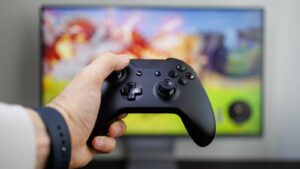
Like their international counterparts, South African eSports MGOs train like athletes, draw the same crowds as sporting events and (provided they are good enough) can even get paid like athletes.
But does the size and the prize money being offered in South Africa actually equate to eSports being a “real sport”?
The biggest problem facing eSports “legitimacy” is the lack of a clear governing body, posits Smith.
For better or worse, South African Rugby has SARU, Cricket has the CSA, Soccer has SAFA and so on, whereas the matter is decidedly murky when it comes to eSports in South Africa.
The Telkom DGL has long been accepted as the most prestigious eSports organisers in the country (if only because it’s the biggest), but it could never be described as “a governing body”.
At the same time, attempts by other organisations such as the MSSA to take eSports to a national stage have been met with a lukewarm response by the wider community.
As Bravado team manager Andreas Hadjipaschali highlights, “There needs to be a governing body involved, to a degree”.
“You don’t want a third party to completely control everything and anything that you do. But at the same time you require some rules and regulations that may create a positive image of eSports – such as limiting foul language, preventing match fixing and so on.”
“The most important part is, if the governing body is reputable, it may open many more opportunities for investors to enter the market, all the way from broadcasting to financial investment.”
“We need a central area to say, ‘This is competitive gaming and this is what you can become.'”
The result is an impasse that is stopping eSports in South Africa from taking things to the next level.


 Loading ...

Let me begin by saying that being a sport has nothing to do with prize-money.
Secondly, it is bizarre that this is even still being discussed as eSports has been considered to be a sport in South Africa since 2005.
In fact, readers may be interested to note that:
1. The first eSports team that was awarded Protea Colours, was awarded such in 2005, and
2. eSports in South Africa is considered to be a priority sport, and
3. Over 21 of IeSF’s (International e-Sports Federation) members are recognised as a sport by their own National Olympic Committees.
MSSA has certainly not got a lukewarm following. MSSA runs over 20 events per annum and has a very popular school league which dwarfs most others. Please see: https://www.facebook.com/mindsportssa/