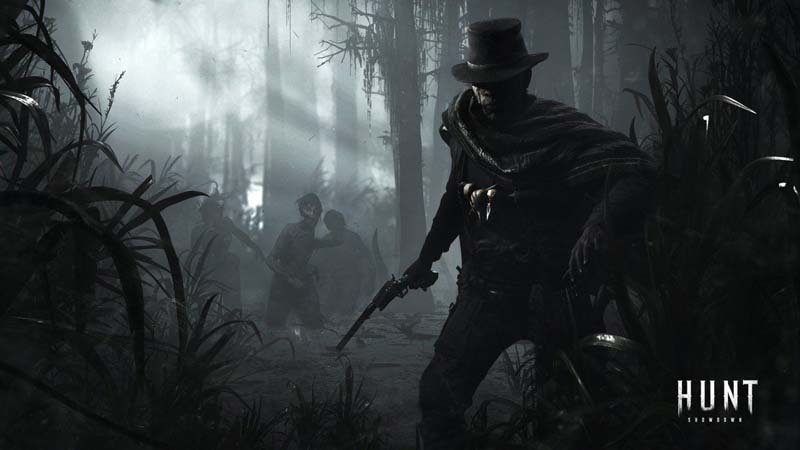


Hunt: Showdown is one of the most distinctive and intriguing multiplayer games to have emerged in the last five years.
In my previous article, I wrote about things that initially put me off the game, including the dark colour pallet and its slow-moving, risk-it-all premise.
When you add that the game doesn’t have South African servers, the frustrations of playing Hunt: Showdown” increase even more.
However, after persevering and continuing to play the game, I’ve realized that this is what makes the game great – It’s meant to be a sweaty, try-hard experience.
These are the reasons why I now love Hunt: Showdown, and why you should give the game a chance.
Premise
Hunt: Showdown is a competitive first-person PvPvE bounty hunting game that is set in the darkest corners of the world during the 19th century. It packs the thrill of traditional survival games into a match-based format.
You and your partner are members of a secret hunting society that tracks and kills terrifying creatures.
The bounties are high, but so are the risks. The smallest mistake will cost you everything – your bounty, your gear, your life, and your very soul.
You must track your quarry through a dark and treacherous world. The winner takes all.
Gameplay
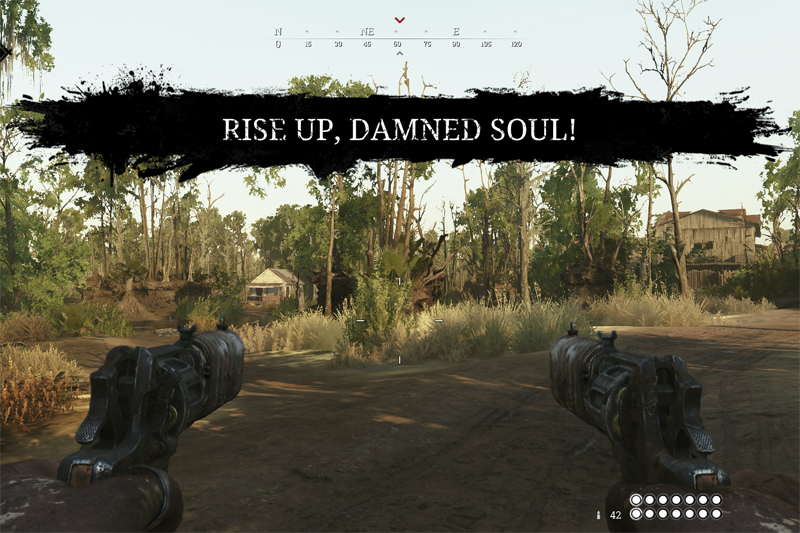
Hunt: Showdown places you on one of three maps – either as a solo player, or with a partner. You must then find three clues whilst encountering a variety of zombies, creatures, and other hunters along the way.
When you find these three clues, they will lead you to your bounty. If you manage to kill it while fending off other hunters, it drops a token that must be collected before escaping the map using the extraction points given to you.
If you die in a game, you lose your character and everything he/she was equipped with. This idea and risk of ranking up a character (with better guns, traits, and ammo variations) based on how many games you survived with him/her is quite invigorating.
Hunt: Showdown blends victories and failures with triumph, frustration, adrenaline, and tension in an epic recipe of 0 to 100 chaos.
The game relies heavily on sound, as you can alert other players to your position by disturbing crows, ducks, zombies, or stepping on glass and twigs.
This high-risk environment demands careful and strategic plays that you and your partner need to think through, or else you’re likely to be killed.

Tension
In Hunt: Showdown, you never know if you are the hunter or the hunted.
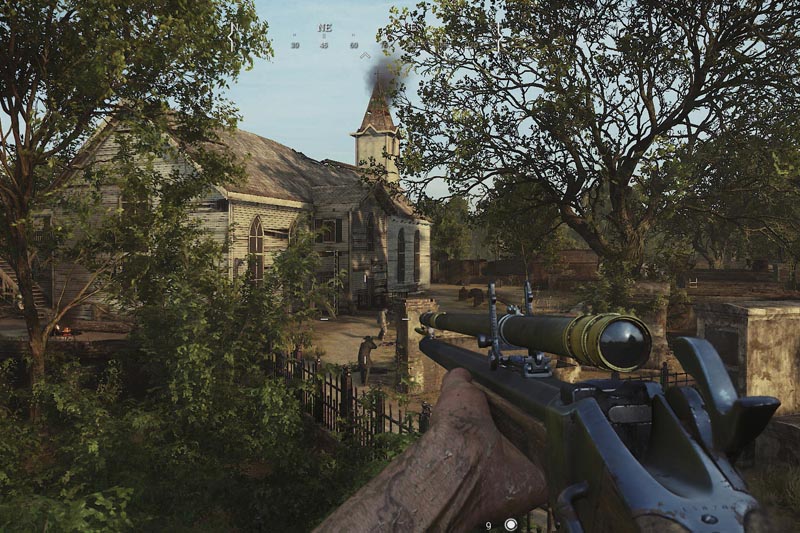
When you’re about to kill a bounty but hear crows in the distance, your adrenaline levels will skyrocket. You never know where the next hunter is hiding, and you can die at any second.
Your senses are dialed to 100 as you experience the sheer rush of listening for signs of other players – knowing without a doubt that you are going to either kill or get killed.
This anxiety is then reprieved by the relief you experience after you complete your mission and extract the bounty, which feels incredible.
This game loop creates a unique emotional roller-coaster ride that no other game has before.
Gunplay and weapons
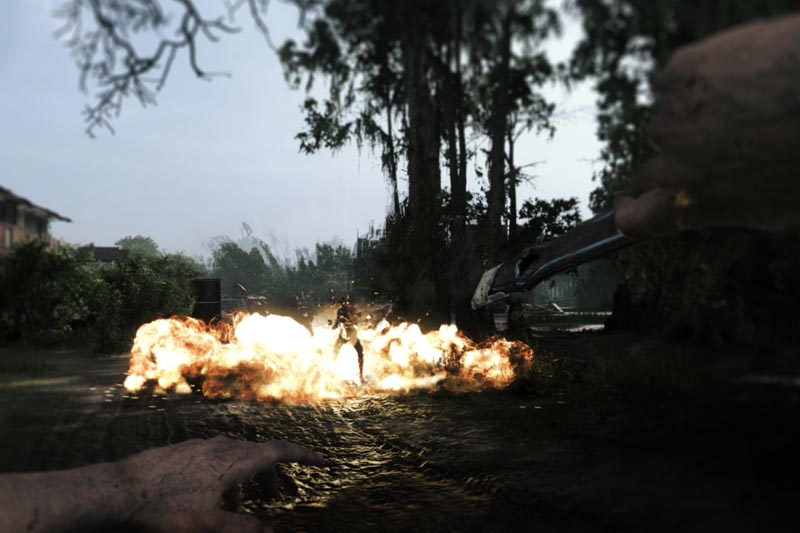
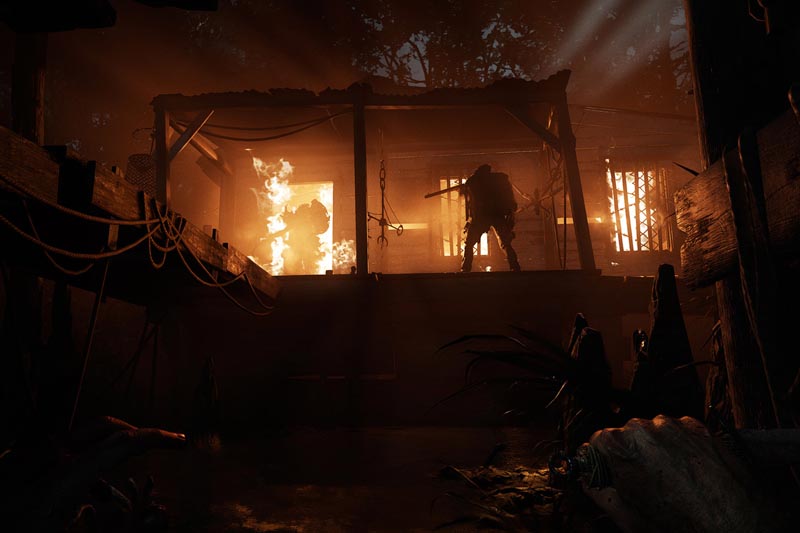
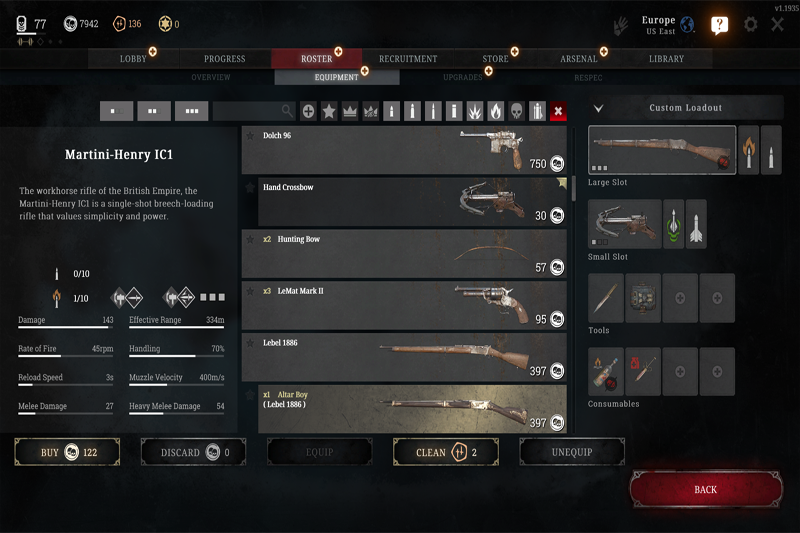
The 19th-century weapons and architecture are beautiful. The game’s unique playstyle means there is an incredible arsenal of weapons – each with its individualized fire rate and reloading quirks.
Although every game is pretty much the same on paper, every single round feels different from the previous one.
The game also has a massive variety of hunters and weapon skins – each with its own backstory that gives the game a very immersive feel.

Once you get used to the mechanics and playstyle of Hunt: Showdown, you’ll realize that the game intends to get your palms sweaty.
It’s a game where the wrong decision, missed shot, or misstep will get you killed – and I love it.
The absolute excitement and adrenaline spike you get from the threat of losing everything, fighting monsters, stalking other players, and running for your life are what make this game great.
Note: the high ping is the only added factor that is not one of the game’s intentions, however, it’s still playable and you can remain competitive if you remain on the European servers.






 Loading ...